





Background
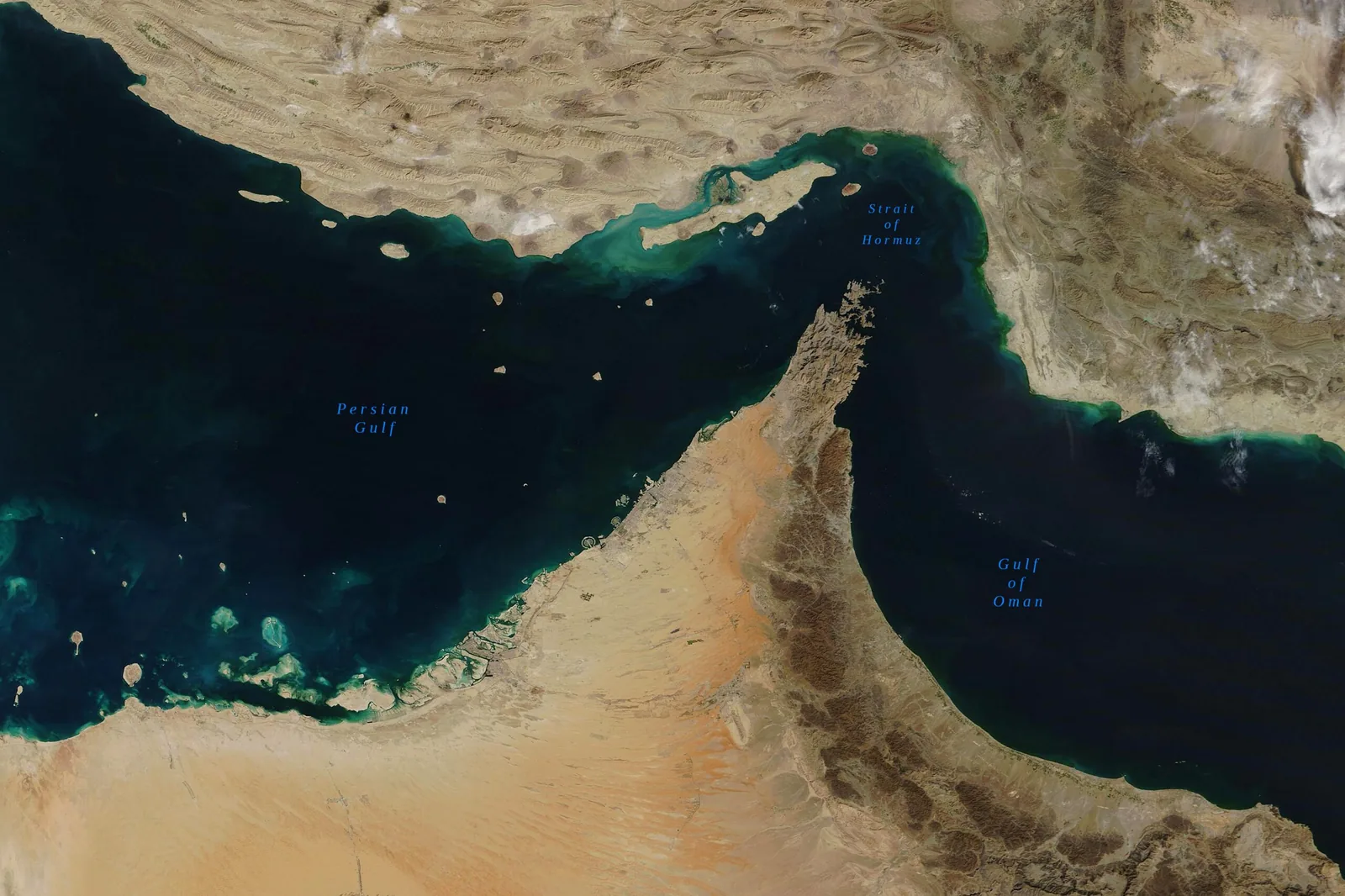
The Strait of Hormuz is a critical maritime chokepoint through which a significant portion of the world’s oil supply passes. Recent years have seen disruptions in traffic due to geopolitical tensions, particularly involving Iran and the United States. The question at hand is whether shipping traffic through the Strait will return to normal levels—defined as a 7-day moving average of at least 60 transit calls—by July 31, 2026.
Read more GPT-5.6 released by…?
This question is especially relevant now as regional dynamics have shifted following a series of diplomatic engagements and ceasefire talks between Iran and its neighbors, alongside ongoing negotiations involving the U.S. The resolution depends on data published by IMF Portwatch, which tracks daily ship arrivals including container, dry bulk, roll-on/roll-off, general cargo, and tanker vessels.
Normal traffic levels are a key indicator of regional stability and economic activity, affecting global oil markets and geopolitical risk assessments.
Key Factors
Over the past two weeks, several developments have influenced expectations about Strait of Hormuz traffic. First, official statements from Iranian authorities confirmed a de-escalation in naval confrontations and a commitment to ensuring safe passage for commercial vessels. For example, Iran’s Ministry of Roads and Urban Development reported a steady increase in ship transits in early June, with daily counts approaching pre-2023 levels.
Second, the International Maritime Organization (IMO) issued a report highlighting improved security measures and coordination among Gulf states, which has helped reduce insurance premiums for vessels operating in the area. This has encouraged more shipping companies to route through the Strait rather than alternative longer paths.
Third, satellite data analyzed by independent maritime analysts shows a gradual uptick in tanker and cargo ship movements through the Strait since late May, consistent with the reported figures from IMF Portwatch. However, the average daily transit calls have not yet consistently reached the threshold of 60, indicating that while traffic is recovering, it has not fully normalized.
What remains uncertain is the durability of this trend. Political tensions could flare up again, especially if negotiations between the U.S. and Iran stall or if regional proxy conflicts intensify. Additionally, global oil demand fluctuations and alternative shipping routes could influence traffic volumes unpredictably.
Read more What price will Ethereum hit May 25-31?
Market Signals
Current market indicators assign a 59% probability to traffic returning to normal by the deadline, with recent trading volumes showing moderate activity and a slight price pullback over the past day. The spread between bid and ask prices remains narrow, suggesting balanced views among participants. While these signals reflect cautious optimism, they serve only as a secondary guide rather than a primary basis for judgment.
Our Verdict
Traffic through the Strait of Hormuz is likely to return to normal levels by July 31, 2026. The combination of official Iranian commitments to maritime security, improved regional cooperation as noted by the IMO, and independent satellite data all point toward a recovery in shipping activity. These factors suggest that the 7-day moving average of transit calls will reach or exceed 60 at some point before the deadline.
Confidence in this outcome is medium. The positive trends are clear but not yet fully consolidated, and the geopolitical environment remains fragile. Renewed tensions or unexpected disruptions could delay or prevent a full return to normal traffic.
Key triggers that could change this assessment include: a breakdown in U.S.-Iran negotiations leading to renewed sanctions or military incidents; official IMF Portwatch data showing a sustained failure to reach the 60-call threshold; and significant shifts in global oil demand that reduce tanker traffic through the Strait.
In summary, the evidence leans toward a return to normal traffic, but vigilance is warranted given the volatile context.
Read more Bitcoin price on May 27?
Источники: