




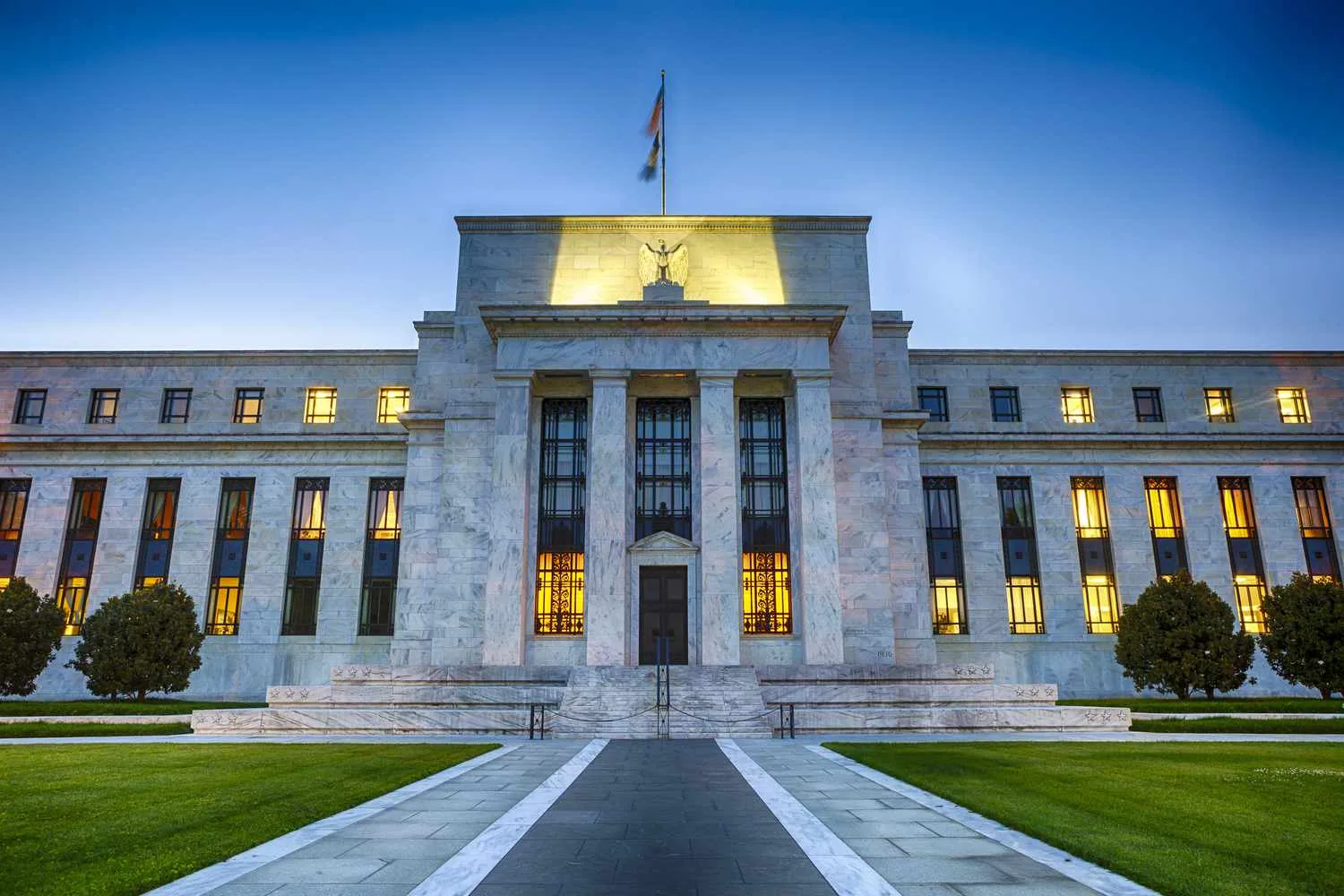
Background
The Federal Reserve’s upcoming decisions on interest rates between June and September are under close watch as the U.S. economy navigates persistent inflation and signs of slowing growth. The Federal Open Market Committee (FOMC) meets three times during this period—June 16-17, July 28-29, and September 15-16—to set the upper bound of the target federal funds rate. These decisions directly influence borrowing costs, consumer spending, and overall economic momentum.
Read more «The Odyssey» Opening Weekend Box Office
Each meeting’s outcome can be a rate hike, cut, or pause, depending on economic data and inflation trends. The Fed’s approach has been aggressive in the past year, with multiple rate hikes aimed at taming inflation. However, recent economic indicators suggest a possible shift toward a more cautious stance. The market will resolve based on the official FOMC statements and the published target federal funds rate after each meeting.
Candidate Analysis
Over the past two weeks, several key developments have shaped expectations. First, the May Consumer Price Index (CPI) showed a slower but still elevated inflation rate, with headline inflation easing slightly but core inflation remaining sticky. This suggests the Fed might hold rates steady to assess the impact of previous hikes rather than act immediately. Second, recent labor market data revealed a modest slowdown in job growth, indicating the economy is cooling but not contracting sharply. Third, Federal Reserve Chair Jerome Powell’s recent speeches emphasized patience and data-dependence, signaling no rush to cut rates but openness to pausing hikes. Finally, financial conditions have tightened, with higher borrowing costs already weighing on credit markets.
Given these facts, the scenario where the Fed pauses at all three meetings (June, July, and September) appears most plausible. The Fed is likely to maintain the current rate level to monitor inflation trends and economic resilience before making further moves. This approach aligns with Powell’s cautious tone and the mixed economic signals.
In contrast, scenarios involving rate cuts in July or September are less supported by recent data. Inflation remains above target, and the labor market, while slowing, is not weak enough to justify cuts yet. Similarly, the possibility of consecutive hikes is diminished by the Fed’s recent communication and the risk of over-tightening. Uncertainty remains around how inflation will evolve and whether external shocks might force a change in policy.
Read more What price will Bitcoin hit on July 13?
Market Signals
Market indicators show a roughly balanced view between a full pause sequence and some form of policy change, with the pause–pause–pause scenario holding about 45% implied probability and the “different decisions” scenario slightly higher at 51.5%. Trading volumes are significant, reflecting active positioning, but recent price movements show a slight decline in confidence for the all-pause path. These signals suggest market participants are weighing the Fed’s cautious messaging against ongoing inflation risks.
Our Verdict
The most likely outcome is that the Fed will pause rate changes at the June, July, and September meetings. This conclusion rests on the recent inflation data showing moderation but persistent core pressures, the labor market’s steady yet slowing pace, and Powell’s explicit emphasis on patience and data-driven decisions. The Fed appears to be in a holding pattern, avoiding premature cuts or hikes while assessing the cumulative effects of prior tightening.
Confidence in this scenario is medium. The Fed’s communication and economic data support a pause, but inflation’s stickiness and geopolitical uncertainties could prompt a shift. Key triggers that might alter this outlook include a surprising inflation spike or drop, unexpected labor market weakness, or a major financial disruption. Additionally, any change in Fed leadership tone or new economic forecasts released before the meetings could sway the decision.
In sum, the Fed is likely to maintain current rates through September, balancing the risks of overtightening against the need to keep inflation in check. The path forward remains data-dependent, with the Fed ready to adjust if conditions materially change.
Read more June Inflation US — Monthly
Sources: