





Background
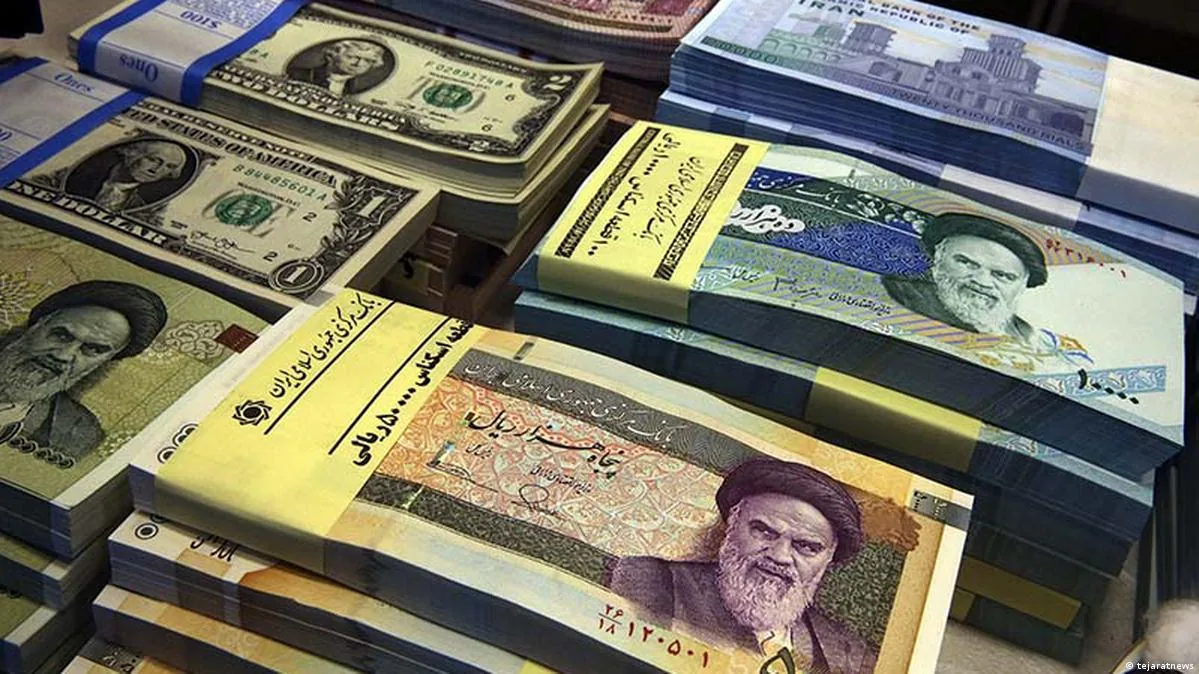
The exchange rate between the US dollar and Iranian rials remains a critical barometer of Iran’s economic health and geopolitical standing. The Iranian rial has experienced persistent depreciation over recent years, driven by a mix of international sanctions, domestic inflation, and political uncertainty. The free-market USD exchange rate published by Bonbast, expressed in Iranian toman (where 1 toman equals 10 rials), serves as a widely referenced benchmark for currency valuation in Iran’s unofficial market.
Read more What price will Bitcoin hit on July 18?
Looking ahead to July 31, 2026, the finalized USD to Iranian rial rate on Bonbast will determine the resolution of this event. The rate reflects the free-market dynamics rather than official government rates, capturing real demand and supply pressures. Given the volatility of Iran’s currency and the ongoing economic challenges, the question of whether the USD will reach or exceed 1.9 million rials by the end of July is highly relevant for traders, policymakers, and analysts tracking Iran’s economic trajectory.
Key players influencing this rate include Iran’s Central Bank policies, international sanctions regimes, and domestic economic conditions such as inflation and foreign currency reserves. The resolution rules specify that if the rate falls exactly between two brackets, the higher bracket will be chosen, adding a slight bias toward upward resolution in borderline cases.
Candidate Analysis
Recent developments over the past two weeks provide important clues. First, Iran’s Central Bank announced a tightening of foreign currency controls aimed at stabilizing the rial, but these measures have had limited impact so far, as inflation remains elevated and dollar demand persists. Second, reports from Reuters confirm that inflation in Iran stayed above 40% year-on-year in mid-July, sustaining pressure on the rial.
Third, international sanctions on Iran’s oil exports and banking sector remain largely intact, restricting hard currency inflows and limiting the Central Bank’s ability to defend the rial. Fourth, unofficial market data from Bonbast shows a steady upward trend in the USD/IRR rate, with the free-market rate recently hovering around 1.85 million rials per USD, edging closer to the 1.9 million threshold.
These facts support the candidate that the USD will be at least 1.9 million Iranian rials by July 31. The persistent inflation, ongoing sanctions, and limited effectiveness of monetary interventions all point toward continued depreciation of the rial. In contrast, the candidates suggesting the USD will settle between 1.7M and 1.9M rials or below 1.7M are less supported by recent data. The inflationary environment and market trends do not indicate a significant rial recovery in the short term, making lower brackets less plausible.
Read more World Cup Final: U.S. Viewership
That said, uncertainty remains around potential diplomatic developments or unexpected policy shifts that could alter currency dynamics. The timing and impact of any easing of sanctions or major economic reforms are still unclear, leaving some room for volatility.
Market Signals
Market indicators show a strong leaning toward the USD reaching at least 1.9 million rials by the end of July, with a probability around 77%. Trading volumes and liquidity are highest for this bracket, reflecting concentrated interest and confidence in this outcome. Price movements over the past week have trended upward, reinforcing the narrative of continued rial weakness. However, these signals serve as a secondary guide and should be interpreted alongside fundamental economic and geopolitical factors.
Our Verdict
Given the sustained inflation above 40%, ongoing sanctions limiting foreign currency inflows, and recent Central Bank measures failing to stabilize the rial, the most likely outcome is that the USD will be at least 1.9 million Iranian rials on July 31, 2026. The free-market rate’s recent approach to this level on Bonbast supports this conclusion. The upward bias in resolution rules further strengthens this candidate’s position in borderline cases.
Confidence in this verdict is medium. While current economic indicators and market trends point clearly toward continued rial depreciation, the situation remains sensitive to external shocks. Key triggers that could shift this outlook include any significant easing of international sanctions, unexpected diplomatic breakthroughs, or aggressive monetary policy changes by Iran’s Central Bank. Additionally, geopolitical events in the Middle East could rapidly alter currency flows and market sentiment.
In summary, the rial’s structural weaknesses and persistent inflationary pressures make a USD rate at or above 1.9 million rials the most plausible scenario by the end of July. Monitoring developments in sanctions policy and domestic economic reforms will be crucial to reassessing this view as the date approaches.
Read more Ethereum above ___ on July 20?
Sources: