




Background
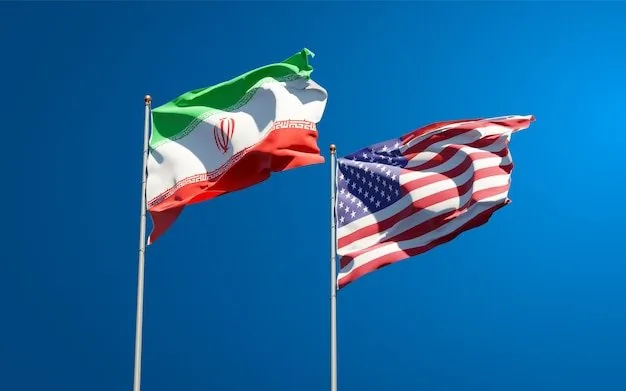
The recent diplomatic engagement between the United States and Iran, culminating in the first round of talks in Switzerland on June 22, 2026, has reignited hopes for a breakthrough in their strained relations. These talks, mediated by neutral parties, aimed to establish a roadmap toward a final peace deal, with follow-on technical discussions expected. However, the next formal senior-level round of peace talks must be held in person, involve authorized representatives from both countries, and be publicly acknowledged to qualify as the next official meeting.
Read more What will Trump say during tribute to Lindsey Graham?
This question is particularly relevant now because the initial Swiss talks set a precedent but did not conclude the process. The diplomatic calendar is open until September 30, 2026, for a new qualifying round to begin. The location of this next round carries geopolitical weight, signaling which regional or international actors might be playing a more active role in facilitating US-Iran diplomacy. The rules specify that indirect in-person meetings through mediators count only if senior representatives participate in the same formal process, and technical or preparatory meetings alone do not qualify.
Candidate Analysis
Looking at recent developments, Pakistan emerges as the most plausible candidate for hosting the next round of US-Iran peace talks. Over the past two weeks, Pakistan’s government has publicly expressed willingness to facilitate dialogue between Tehran and Washington, emphasizing its strategic position and historical ties with both countries. Notably, Pakistani Foreign Minister Bilawal Bhutto Zardari met with Iranian officials in early June to discuss regional stability, and Islamabad has maintained open channels with US diplomats, signaling readiness to act as a neutral ground. This aligns with Pakistan’s broader diplomatic posture of balancing relations with the US and Iran, making it a logical venue for the next formal round.
In contrast, Switzerland, which hosted the initial round, seems less likely to host again so soon. While it remains a trusted neutral ground, recent reports indicate that the Swiss government is encouraging the talks to move closer to the Middle East to increase regional ownership. Qatar also remains a contender, given its active mediation role in regional conflicts and recent quiet diplomacy with Tehran and Washington. However, Qatar’s involvement has been more indirect, and no formal announcement or credible media reports have confirmed preparations for a senior-level meeting there. Oman, historically a mediator in US-Iran relations, has not shown recent public moves toward hosting a new round, and its diplomatic activity has been relatively quiet.
What remains uncertain is the exact timing and confirmation of the venue, as both sides are cautious about publicizing details before formal agreements. The geopolitical sensitivities and domestic political considerations in the US and Iran could delay or shift plans unexpectedly.
Read more Bitcoin Up or Down on July 28?
Market Signals
Market data shows Pakistan and Switzerland as the top two candidates by implied probability, with Pakistan slightly ahead recently. The probability for Pakistan has increased over the past week, reflecting growing confidence in its role, while Switzerland’s probability has declined modestly. Qatar holds a significant but lower probability, with some recent volatility. The chance that no qualifying meeting occurs by the deadline remains substantial, indicating persistent uncertainty. These signals support the narrative of Pakistan’s rising profile but also highlight the fluidity of the situation.
Our Verdict
Pakistan is the most likely location for the next formal senior-level US-Iran peace talks before September 30, 2026. This assessment rests on concrete diplomatic activity from Islamabad, including recent high-level meetings with Iranian officials and ongoing engagement with US diplomats. Pakistan’s strategic position as a regional player with ties to both countries makes it a natural choice for hosting sensitive negotiations. The shift away from Switzerland as the venue aligns with statements encouraging the talks to move closer to the Middle East, where regional dynamics can be better managed.
Confidence in this outcome is medium because, while Pakistan’s diplomatic moves are clear, no official confirmation has been made public by either the US or Iranian governments. The situation remains fluid, and the possibility of delays or venue changes cannot be ruled out. Qatar and Switzerland remain credible alternatives, especially if political or logistical hurdles arise in Pakistan. Oman’s historical role as a mediator is less visible now, reducing its likelihood.
Key triggers that could alter this outlook include official announcements from the US or Iranian foreign ministries confirming the venue, unexpected shifts in regional security dynamics (such as escalations involving Israel or Gulf states), and changes in leadership or diplomatic personnel in any of the involved countries. Additionally, any breakthrough or setback in the ongoing technical talks could accelerate or postpone the scheduling of the next formal round.
Read more Elon Musk # tweets July 27 — July 29, 2026?
Sources: