





Background
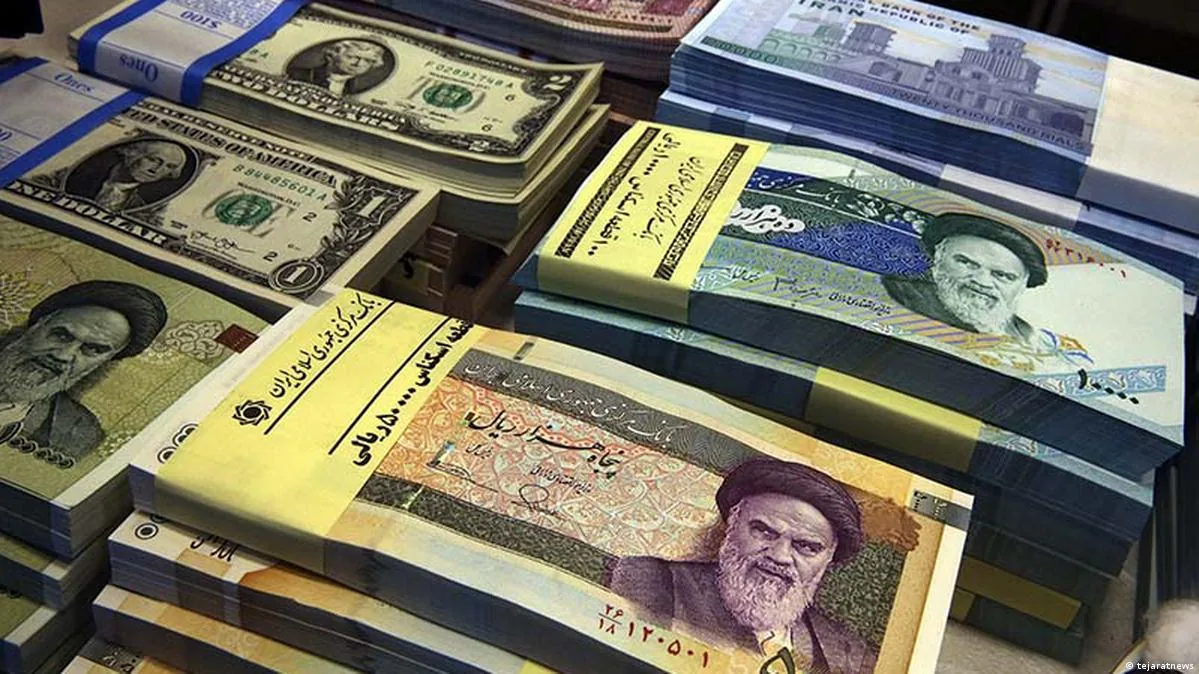
The exchange rate between the US dollar and Iranian rials remains a critical barometer of Iran’s economic health and geopolitical standing. The Iranian rial has experienced persistent depreciation over recent years, driven by a mix of international sanctions, domestic inflation, and political uncertainty. The question of where the USD/IRR rate will stand at the end of September 2026 is particularly relevant now, as Iran navigates ongoing economic pressures and potential shifts in US-Iran relations.
Read more Elon Musk # tweets September 4 — September 11, 2026?
The resolution of this question depends on the official free-market exchange rate published by Bonbast, a widely referenced source for Iranian currency rates. Bonbast reports prices in Iranian toman, where one toman equals ten rials, and the market will resolve based on the finalized rate for September 30, 2026. This rate reflects the free-market dynamics rather than official government rates, which often diverge significantly.
Given the volatility of the Iranian rial and the opaque nature of Iran’s economic policies, forecasting the USD/IRR rate involves weighing recent economic developments, sanctions status, and domestic monetary policy. The key players influencing this rate include the Central Bank of Iran, international actors imposing sanctions, and internal economic actors responding to inflation and currency controls.
Candidate Analysis
Over the past two weeks, several developments have shaped the outlook for the USD/IRR exchange rate. First, Iran’s Central Bank announced a modest tightening of monetary policy aimed at curbing inflation, but the impact on the rial has been limited so far. Second, reports from international media indicate that US sanctions remain firmly in place, with no significant easing expected in the near term. Third, Iran’s oil exports continue to face logistical challenges, limiting foreign currency inflows that could support the rial. Finally, domestic inflation data released recently showed persistent price increases, which typically exert downward pressure on the rial.
These facts support the scenario that the USD will be at least 2.2 million Iranian rials by the end of September 2026. The sustained inflation and lack of sanction relief suggest continued depreciation pressure. The Central Bank’s limited policy adjustments have not reversed this trend, and constrained oil revenues reduce the likelihood of rial strengthening.
In contrast, the possibility that the USD will settle between 2.0M and 2.2M rials appears less supported. While some stabilization efforts exist, they have not translated into meaningful rial appreciation. The lower brackets, such as 1.7M to 2.0M rials, are even less plausible given the ongoing economic headwinds and absence of major policy shifts or sanction relief. However, uncertainty remains around potential geopolitical developments or unexpected economic reforms that could alter the trajectory.
Read more Bitcoin price on September 1?
Market Signals
Market indicators show a strong consensus favoring the USD being at least 2.2 million rials, with a probability near 90% and the highest trading volume among all brackets. Price movements over the past day and week have been stable or slightly increasing for this bracket, reflecting confidence in continued rial weakness. Lower brackets have seen minimal volume and declining probabilities, reinforcing their lower likelihood. These signals align with the fundamental analysis but serve only as a secondary confirmation rather than a primary basis for the forecast.
Our Verdict
Given the recent economic data and geopolitical context, the most plausible outcome is that the USD will be at least 2.2 million Iranian rials by September 30, 2026. Persistent inflation, ongoing sanctions, and limited Central Bank intervention have maintained downward pressure on the rial. The lack of significant positive developments in oil exports or sanction relief further supports this scenario.
The confidence level is medium because while current trends strongly favor continued depreciation, the Iranian economy is subject to sudden shifts due to political decisions or international negotiations. For example, a breakthrough in nuclear talks or a major policy reform could stabilize or even strengthen the rial unexpectedly.
Key triggers to watch include official announcements on sanctions or diplomatic progress, changes in Iran’s monetary policy stance, and fluctuations in oil export volumes. Any of these could materially alter the exchange rate outlook before the end of September 2026.
Read more Ethereum above $2,300 on September 2?
Sources: