




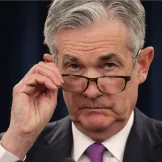
In the past couple of weeks, several key developments have emerged that could influence the Federal Reserve’s decision regarding interest rates in April 2026. First, recent inflation data has shown signs of moderation, with the Consumer Price Index (CPI) rising at a slower pace than previously anticipated. This could lead the Fed to consider a more dovish stance. Second, labor market indicators suggest a slight cooling, with job growth slowing down, which may also impact the Fed’s approach to rate adjustments. Lastly, geopolitical tensions have escalated, potentially affecting economic stability and influencing monetary policy decisions.
Read more New Supreme Leader of Iran by…?
Given these factors, the most supported candidate appears to be “no change in Fed interest rates after the April 2026 meeting,” which currently holds an 86.5% probability. This aligns with the Fed’s historical tendency to maintain rates during periods of economic uncertainty, especially when inflation is stabilizing and labor market growth is decelerating. The Fed often prioritizes economic stability over aggressive rate changes, particularly in a complex global environment.
In contrast, the candidates for a 25 basis point decrease and a 25 basis point increase in rates have significantly lower probabilities at 10.5% and 1.75%, respectively. The rationale for these lower probabilities lies in the current economic indicators, which do not strongly support the need for immediate rate adjustments. The Fed is likely to remain cautious, especially given the recent signs of economic moderation.
Market data reflects these sentiments, with the highest liquidity and volume concentrated around the “no change” option. The trading activity indicates a strong consensus among participants regarding the Fed’s likely decision, with minimal fluctuations in the probabilities for the other candidates.
Read more Elon Musk # tweets March 3 — March 10, 2026?
Looking ahead, several factors will be crucial in shaping the Fed’s decision. Institutional rules dictate that the FOMC will assess economic conditions leading up to the meeting, including inflation trends, employment data, and external economic pressures. Additionally, public statements from Fed officials in the weeks leading up to the meeting will provide further insights into their thinking. Key triggers to watch include the release of the next inflation report, any significant shifts in employment data, and comments from Fed Chair Jerome Powell regarding the economic outlook.
In summary, while the current landscape suggests a strong likelihood of no change in interest rates, ongoing economic developments and upcoming data releases will be critical in determining the final outcome.
Read more Bitcoin above ___ on March 4?
Sources :