




Background
The Federal Open Market Committee (FOMC) is set to meet on September 15-16, 2026, to decide on the target federal funds rate, a key benchmark for U.S. monetary policy. This rate influences borrowing costs across the economy, affecting everything from mortgages to business loans. The decision is closely watched because it signals the Fed’s stance on inflation, economic growth, and financial stability.
Read more Elon Musk # tweets July 14 — July 21, 2026?
Currently, the upper bound of the target federal funds range is the focus, with the market awaiting any change in basis points. The FOMC’s statement following the meeting will officially set the new rate or confirm the existing one. The process is governed by the Fed’s dual mandate to promote maximum employment and stable prices, making the September meeting critical amid evolving economic data.
Candidate Analysis
Over the past two weeks, several key developments have shaped expectations. First, recent inflation data showed a modest slowdown in core inflation, suggesting that price pressures might be easing. The Consumer Price Index (CPI) report released early September indicated a smaller-than-expected increase, which reduces immediate pressure on the Fed to hike rates aggressively. Second, labor market reports continue to show resilience but with signs of slight cooling, such as a small uptick in unemployment claims, hinting that the economy might be balancing out.
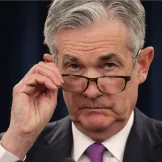
Third, Federal Reserve officials, including Chair Jerome Powell, have reiterated a cautious approach, emphasizing data dependency rather than committing to further hikes. Powell’s recent speeches have underscored patience, signaling that the Fed is watching incoming data before making moves. Fourth, financial conditions have tightened somewhat over the summer, with higher long-term yields and a stronger dollar, which could dampen inflation without additional rate increases.
Given these facts, the most supported scenario is that the Fed will hold rates steady in September. The easing inflation trend and cautious Fed rhetoric align with a pause. In contrast, the case for a 25 basis point cut, while gaining some traction, lacks strong backing from recent economic indicators, which do not yet show a clear need for easing. Similarly, expectations for a 50+ basis point cut or increase are less justified given the current data and Fed communication, which suggest a wait-and-see stance rather than aggressive moves.
Read more What price will Ethereum hit July 6-12?
Market Signals
Market indicators show a dominant expectation for no change, with about 76% probability implied by trading activity. The volume and liquidity for the no-change option are the highest, reflecting broad consensus. Meanwhile, the 25 basis point cut scenario has gained some ground recently, with a slight uptick in interest and price, but it remains a distant second. Larger moves, either hikes or cuts of 50 basis points or more, have minimal support and lower trading volumes. Price movements over the past week show a slight decline in confidence for no change, but nothing dramatic enough to overturn the prevailing view.
Our Verdict
Looking at the recent inflation slowdown, steady labor market signals, and the Fed’s own cautious messaging, the most likely outcome is that the Federal Reserve will keep interest rates unchanged after the September 2026 meeting. The data points to a Fed that is neither pressured to tighten further nor ready to ease, preferring to maintain the current stance while monitoring economic developments.
Confidence in this outcome is medium. The inflation data and Fed communications strongly support a pause, but some uncertainty remains due to potential shifts in economic momentum or unexpected geopolitical or financial shocks. The 25 basis point cut remains a plausible alternative if upcoming data signals a sharper economic slowdown or if financial conditions tighten further.
Key triggers that could change this assessment include: a surprising inflation report showing renewed acceleration, a significant shift in employment figures indicating weakening labor markets, or a change in Fed leadership tone or voting patterns ahead of the meeting. Additionally, unexpected global events affecting markets or commodity prices could prompt a different Fed response.
Read more June Inflation US — Annual
Sources: