




Background
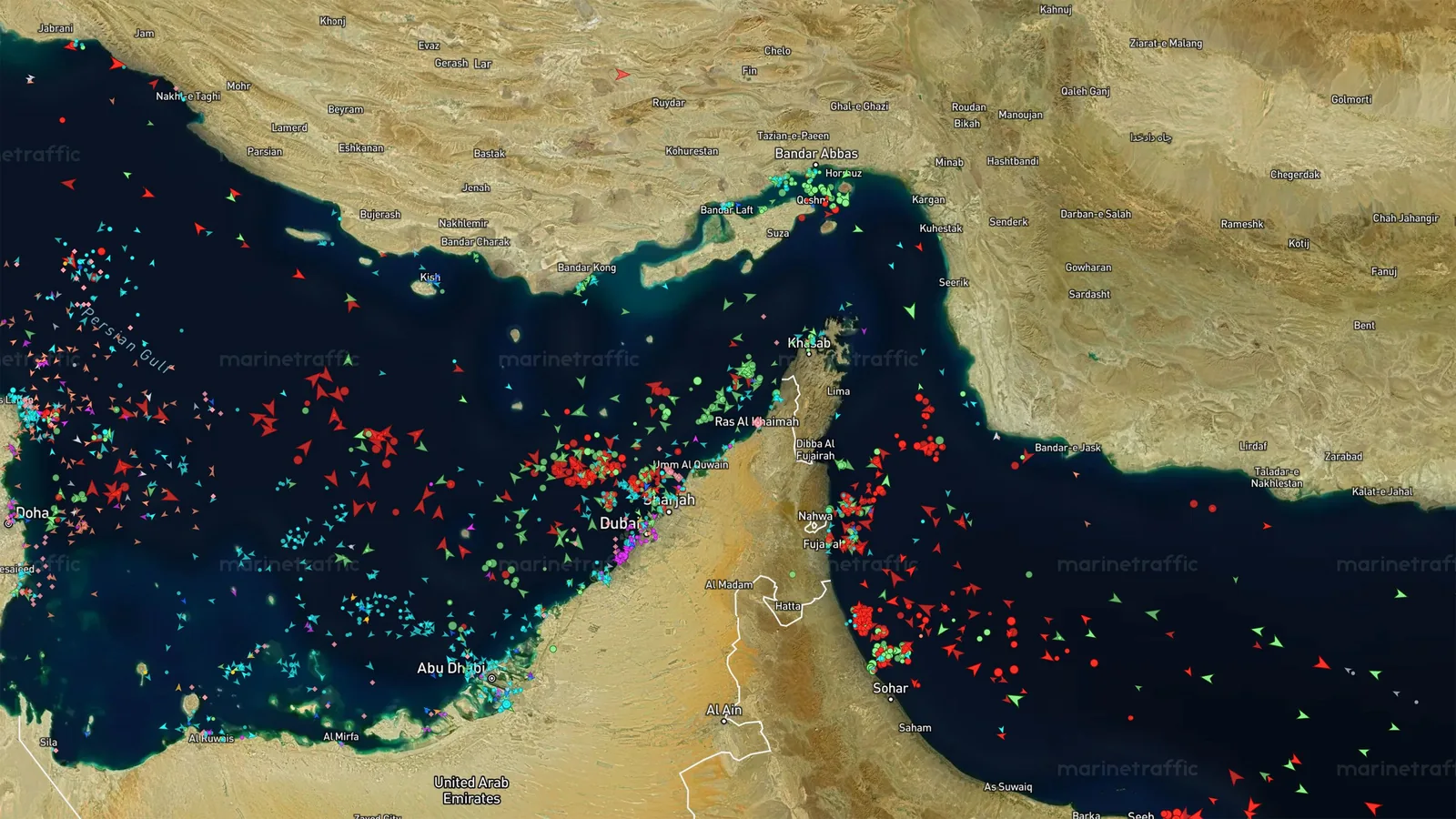
The Strait of Hormuz is a critical chokepoint for global oil and commercial shipping, linking the Persian Gulf with the Gulf of Oman and the Arabian Sea. Iran’s control over this narrow waterway has long been a source of geopolitical tension, especially amid ongoing conflicts involving the United States and regional actors. Since February 28, 2026, a new phase of conflict between the U.S. and Iran has led to increased restrictions imposed by Iran on commercial vessels transiting the strait.
Read more Who will be in the top 3 of Big Brother Brasil 26?
The question at hand is whether Iran will publicly agree to allow unrestricted commercial navigation through the Strait of Hormuz by April 30, 2026. This means Iran would have to lift all restrictions related to the current conflict without replacing them with new ones, either unilaterally or as part of a broader agreement. The resolution depends on official Iranian statements or credible consensus reporting confirming such a commitment.
Given the strategic importance of the strait and the ongoing tensions, any move by Iran to allow unrestricted shipping would signal a significant de-escalation and could impact regional stability and global energy markets.
Key Factors
Over the past two weeks, there have been no official Iranian announcements explicitly committing to unrestricted commercial navigation through the Strait of Hormuz. Iranian officials have reiterated calls for regional security and stability but stopped short of pledging to remove all transit restrictions. For example, on April 15, 2026, Iran’s Foreign Ministry spokesperson emphasized the importance of “safe and secure passage” but did not clarify that this would mean lifting all conflict-related restrictions.
Meanwhile, U.S. and allied diplomatic efforts continue to push for a resolution that includes freedom of navigation guarantees. However, no formal agreement or public pledge from Iran has emerged. Reports from credible sources such as Reuters and Al Jazeera confirm ongoing negotiations but highlight persistent disagreements over the terms and conditions of maritime transit.
One key factor is Iran’s strategic leverage over the strait, which it has historically used as a bargaining chip. The absence of a clear, binding commitment suggests Iran is reluctant to relinquish this leverage without broader concessions. Another factor is the regional security environment, which remains volatile, with sporadic incidents reported near the strait, complicating prospects for an unrestricted transit agreement.
Read more Bitcoin price on April 15?
What remains uncertain is whether Iran might announce a unilateral pledge or include such terms in a wider peace process before the April deadline. The lack of concrete progress so far leaves this possibility open but unlikely in the near term.
Market Signals
Current market indicators assign roughly a 31.5% chance that Iran will agree to unrestricted shipping by the deadline, with a relatively stable bid-ask spread and moderate trading volume over the past 24 hours. Price movements in the last hour show a slight uptick, suggesting some optimism or speculative interest. However, these signals serve only as a secondary reference and do not replace the need for concrete developments on the ground.
Our Verdict
Based on recent facts, the most justified conclusion is that Iran will not publicly agree to unrestricted commercial navigation through the Strait of Hormuz by April 30, 2026. The absence of any official pledge or clear indication from Iranian authorities, combined with ongoing regional tensions and unresolved diplomatic negotiations, points toward a continuation of current restrictions.
The confidence level is medium because the situation remains fluid. Iran could still make a unilateral announcement or include such a commitment as part of a broader peace deal, but no signs currently point strongly in that direction. The strategic value Iran places on controlling the strait and the lack of visible concessions from the U.S. side make a near-term breakthrough unlikely.
Key triggers that could change this assessment include:
- An official Iranian statement explicitly lifting all transit restrictions;
- A formal agreement between Iran and the U.S. or regional partners that includes a navigation clause;
- Reports from credible international observers confirming a de-escalation and removal of restrictions.
Without these developments, the status quo is expected to persist through the April deadline.
Read more Peru Presidential Election First Round: 2nd Place
Источники: