





Background
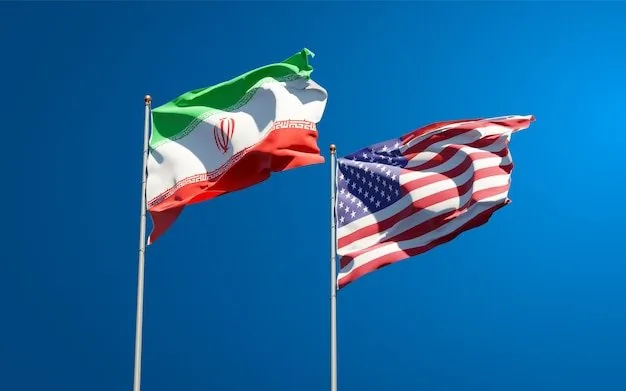
The recent diplomatic engagement between the United States and Iran marks a notable shift after years of tension. On June 22, 2026, the first round of senior-level talks in Switzerland wrapped up, with mediators announcing progress toward a roadmap for a final deal. This development has raised expectations for follow-up negotiations aimed at resolving longstanding issues, including nuclear activities and regional security concerns.
Read more «Moana (2026)» Opening Weekend Box Office
These talks are significant because they represent a rare direct dialogue between two countries with a fraught history. The process requires formal, in-person meetings involving senior representatives authorized to negotiate on behalf of their governments. Importantly, follow-on technical or staff-level discussions do not count as a new round unless they are part of a formally convened senior-level session. The deadline for the next round to begin is July 31, 2026, making the timing critical for assessing diplomatic momentum.
Candidate Analysis
Over the past two weeks, several developments shed light on the likelihood of a new round of talks before the end of July. First, official statements from both Washington and Tehran have remained cautiously optimistic but non-committal. The U.S. State Department confirmed ongoing consultations with European mediators but stopped short of announcing a new meeting date. Meanwhile, Iranian officials reiterated their willingness to continue dialogue but emphasized that progress depends on reciprocal concessions.
Second, credible media reports from outlets like Al Jazeera and Reuters have noted preparatory discussions among diplomatic teams in neutral locations, suggesting groundwork is being laid for a formal session. However, no official announcement or confirmation of a senior-level meeting has emerged. Third, the political landscape in the U.S. remains complex, with upcoming midterm elections and internal debates over Iran policy potentially delaying formal engagement. Fourth, Iran’s domestic political calendar, including parliamentary sessions and regional security developments, could influence the timing of any new talks.
Among the possible dates, the July 31 deadline stands out as the most plausible target for a new round. The July 17 date appears less likely given the absence of any official scheduling or public acknowledgment of a meeting so soon after the June 22 talks. The July 31 timeframe allows for necessary diplomatic preparations and political calculations on both sides. That said, uncertainty remains around the exact timing and scope of the next session, especially given the complex authorization requirements and geopolitical sensitivities.
Read more What price will Bitcoin hit July 6-12?
Market Signals
Market indicators show a moderate probability assigned to a new round of talks by July 31, currently around 27%, with a notable decline over the past week. The shorter July 17 window is assigned a much lower probability near 5%, reflecting skepticism about such a rapid follow-up. Trading volumes and liquidity suggest active interest but also caution among participants, mirroring the diplomatic ambiguity. These signals align with the broader picture of cautious optimism tempered by unresolved political and procedural hurdles.
Our Verdict
Looking at the facts, the most reasonable conclusion is that a new senior-level round of US-Iran peace talks will likely begin by July 31, 2026, but not before. The June 22 talks set a foundation, and ongoing preparatory work supports the idea that both sides are moving toward another formal meeting. However, the absence of official confirmation and the political complexities on both sides argue against an earlier date like July 17.
The confidence level is medium because while the groundwork is evident, the diplomatic process remains fragile. Key triggers that could shift this assessment include official announcements from either government confirming a meeting date, changes in the U.S. political environment such as shifts in congressional attitudes toward Iran, or unexpected developments in regional security that might accelerate or delay talks. Additionally, any public statements from mediators or international partners could clarify the timeline.
In sum, the diplomatic momentum is real but measured. The July 31 deadline provides a realistic window for the next formal round, balancing the need for preparation with the political will to continue negotiations. Watch closely for official signals in the coming weeks, as they will be decisive in confirming this trajectory.
Read more Reserve Bank of Australia Decision in August
Sources: