





Background
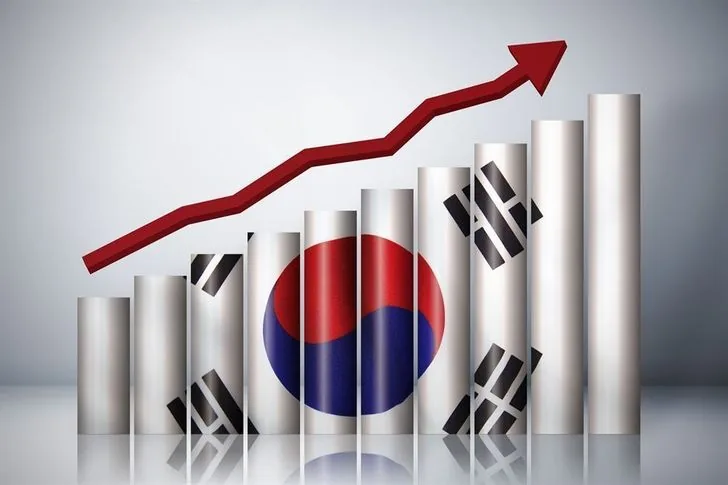
South Korea’s economic performance remains a key focus for both regional and global observers as the country navigates a complex mix of external pressures and domestic challenges. The second quarter of 2026 is particularly important because it will reflect how well South Korea has managed inflationary pressures, supply chain disruptions, and geopolitical tensions in the first half of the year. The Bank of Korea’s advance GDP estimate, scheduled for release on July 23, 2026, will provide the first official snapshot of real year-on-year growth for Q2, setting the tone for economic expectations going forward.
Read more «The Odyssey» Opening Weekend Box Office (Higher Strikes)
The GDP growth figure is reported as a year-on-year percentage change and is closely watched by policymakers, investors, and analysts. The advance estimate is the initial official data point and is used to resolve market expectations, with revisions in later releases not affecting the initial reading. This makes the July release a critical event for understanding South Korea’s near-term economic trajectory.
Candidate Analysis
Recent data and economic signals point toward a moderate but solid growth rate in the range of 3.5% to 3.9% year-on-year for Q2 2026. First, industrial production figures released in early June showed a rebound in manufacturing output, particularly in semiconductors and automotive sectors, which are major contributors to South Korea’s GDP. Second, export data for May and June indicated a steady increase in shipments to key markets like the US and China, despite ongoing global trade uncertainties. Third, domestic consumption has shown resilience, supported by government stimulus measures and a gradual recovery in consumer confidence reported in mid-June surveys. Lastly, inflation rates have stabilized, allowing the Bank of Korea to maintain accommodative monetary policy, which supports growth.
Looking at alternatives, the 3.0% to 3.4% growth band appears less likely given the recent uptick in industrial and export activity, which suggests stronger momentum than that range implies. On the other hand, growth above 4.0% seems overly optimistic given persistent global headwinds and cautious corporate investment trends. The 3.5% to 3.9% range strikes a balance between these factors, reflecting a realistic scenario of moderate expansion amid mixed signals.
Uncertainties remain around the impact of potential geopolitical developments in East Asia and the pace of global economic recovery, which could either accelerate or dampen growth unexpectedly.
Read more Bitcoin Up or Down — July 16, 12:55PM-1:00PM ET
Market Signals
Market indicators show a clear preference for the 3.5% to 3.9% growth range, with this band commanding the highest probability and steady volume of activity. Price movements over the past week have slightly increased confidence in this outcome, while lower growth bands have seen declining interest. Although these signals are useful as a secondary guide, they align well with the fundamental data pointing to moderate growth.
Our Verdict
The most plausible outcome for South Korea’s Q2 2026 GDP growth is a year-on-year increase between 3.5% and 3.9%. This conclusion rests on recent industrial production rebounds, solid export performance, and stable domestic consumption trends, all of which support a moderate growth scenario. The Bank of Korea’s accommodative stance further underpins this outlook by encouraging economic activity without overheating the economy.
Confidence in this forecast is medium. While the data points to steady growth, external risks such as geopolitical tensions in the region or unexpected shifts in global demand could alter the trajectory. Key triggers to watch include any new trade policy announcements, shifts in US-China relations, and upcoming corporate earnings reports from major South Korean exporters. Additionally, any changes in Bank of Korea’s monetary policy stance before the GDP release could influence growth expectations.
In summary, the 3.5% to 3.9% growth range best fits the current economic landscape, balancing positive domestic indicators with ongoing external uncertainties.
Read more What price will Bitcoin hit on July 16?
Sources: