





Background
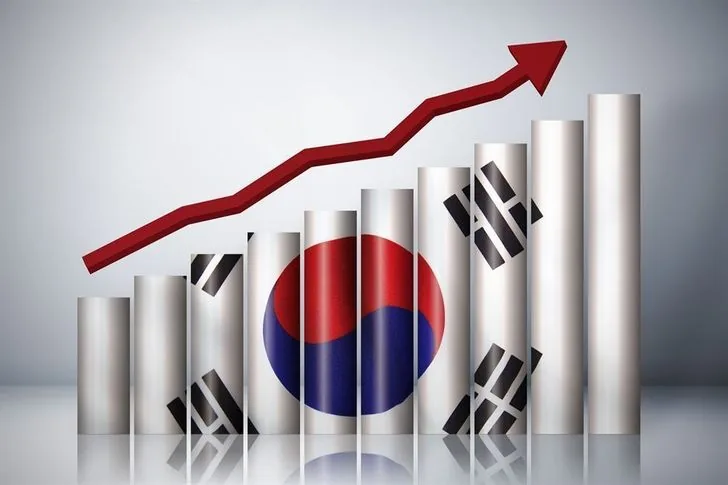
South Korea’s economic performance remains a focal point for both regional and global observers as the country navigates a complex landscape of geopolitical tensions, supply chain adjustments, and domestic policy shifts. The upcoming release of the Bank of Korea’s advance estimate for Q3 2026 GDP growth, scheduled for October 27, 2026, will provide a critical snapshot of how the economy is faring year-on-year. This figure is especially relevant given recent global economic uncertainties, including fluctuating demand in key export markets and ongoing inflationary pressures.
Read more What will MrBeast say during his next YouTube video?
The GDP growth rate reported by the Bank of Korea is the official benchmark for assessing the country’s economic health. The advance estimate is the first official figure for the quarter and is closely watched by policymakers, investors, and analysts. The resolution of this data point follows a strict protocol: the year-on-year real GDP growth rate as published in the Bank of Korea’s “Growth Rates by Type of Economic Activity and Component of Expenditure” table will be used, with precision to one decimal place. Any revisions after the initial release will not affect the official figure for this quarter.
Candidate Analysis
Recent developments over the past two weeks provide a clearer picture of South Korea’s economic trajectory heading into Q3 2026. First, the Bank of Korea’s July monetary policy report highlighted moderate economic expansion supported by steady domestic consumption and a rebound in semiconductor exports, which are crucial for South Korea’s export-driven economy. Second, industrial production data released in early October showed a 2.8% year-on-year increase, signaling ongoing manufacturing strength. Third, retail sales figures for September indicated a slight uptick, suggesting consumer confidence remains intact despite global uncertainties. Lastly, the Ministry of Trade, Industry and Energy reported a 4% increase in exports for September, driven by demand from the US and Southeast Asia.
These facts collectively support the scenario of a GDP growth rate in the range of 3.0% to 3.4%. This range aligns with the moderate but positive momentum seen in key economic indicators. The semiconductor sector’s recovery and export growth are particularly influential, given their outsized role in South Korea’s GDP composition.
Comparatively, the 3.5% to 3.9% growth bracket, while plausible, appears less supported by recent data. Although exports are growing, the pace is not accelerating sharply enough to push GDP growth beyond 3.4%. On the lower side, the 2.5% to 2.9% range is less favored because industrial production and retail sales have shown resilience, which contradicts a slower growth scenario. However, uncertainties remain around global demand fluctuations and potential supply chain disruptions, which could affect final outcomes.
Read more What price will Dogecoin hit in August?
Market Signals
Market indicators show the highest probability assigned to the 3.0% to 3.4% growth range at 39.5%, with significant trading volume and relatively stable pricing over the past week. The 3.5% to 3.9% range holds the second-largest probability at 20.8%, reflecting some optimism but less conviction. Lower growth ranges have seen declining interest and probabilities below 15%, indicating less confidence in a slowdown. Price movements have been modest, suggesting that participants are cautiously optimistic but aware of lingering risks.
Our Verdict
Given the recent economic data and sectoral performance, the most likely outcome for South Korea’s Q3 2026 GDP growth is between 3.0% and 3.4%. The steady improvement in industrial production, export growth, and consumer spending supports this moderate growth scenario. The semiconductor industry’s rebound and export demand from key partners like the US and Southeast Asia are key drivers reinforcing this outlook.
Confidence in this range is medium because while current indicators point to moderate growth, external risks such as global economic volatility and potential supply chain issues could still influence the final figure. The 3.5% to 3.9% range remains a secondary possibility but lacks strong recent data support, and lower growth scenarios are less consistent with observed economic activity.
Key triggers that could shift this assessment include unexpected changes in global trade conditions, new government stimulus measures or regulatory changes affecting major industries, and significant geopolitical developments impacting supply chains or investor sentiment. Monitoring these factors will be crucial as the release date approaches.
Read more Bitcoin Up or Down on August 23?
Sources: