






Background
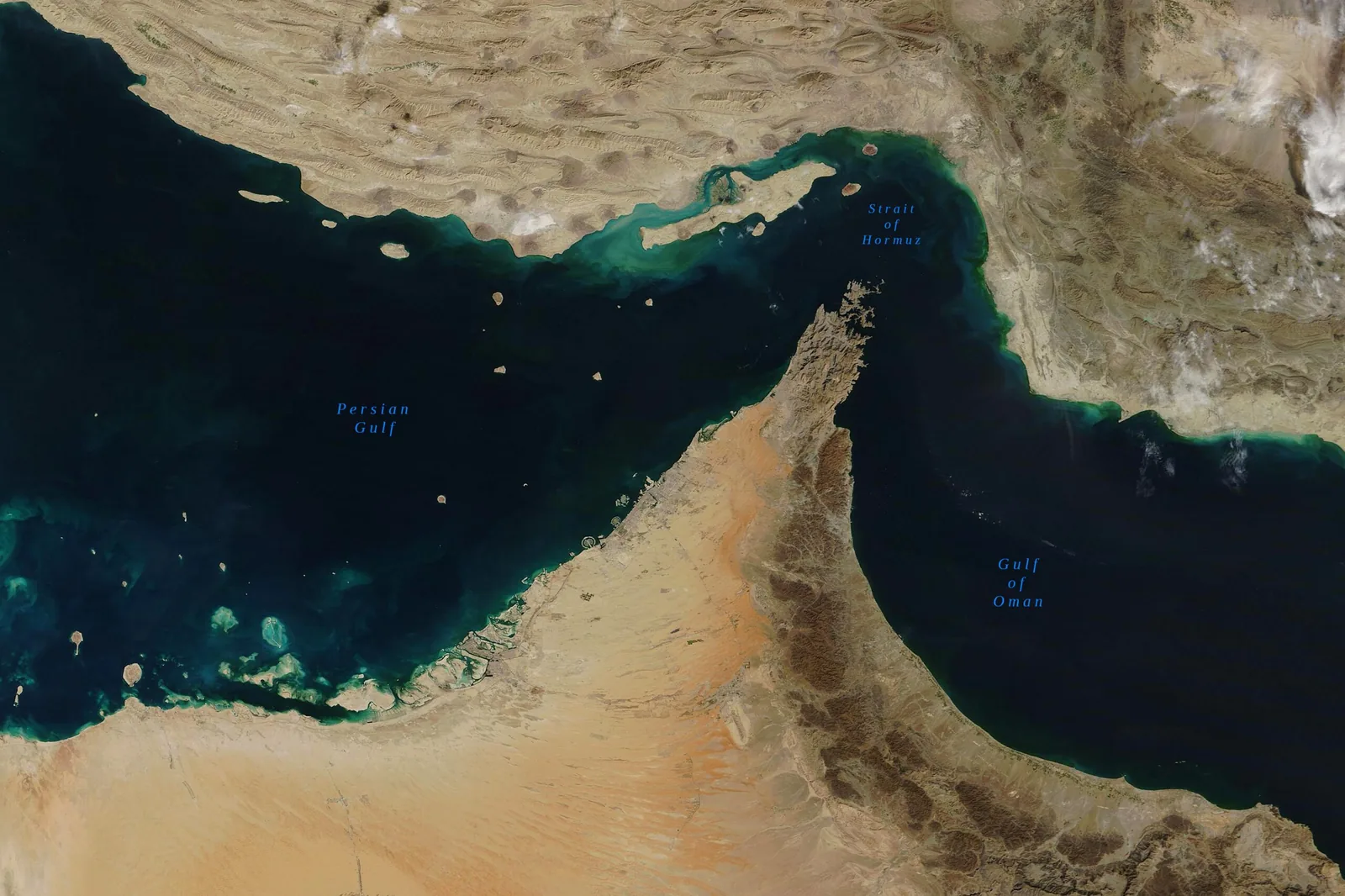
The Strait of Hormuz is a critical maritime chokepoint through which a significant portion of the world’s oil supply passes. Any disruption in traffic here can have wide-reaching effects on global energy markets and geopolitical stability. The question at hand is whether the daily transit calls through the Strait will return to a normal level—defined as a 7-day moving average of 60 or more ship arrivals—by August 31, 2026.
Read more Elon Musk # tweets July 11 — July 13, 2026?
This threshold includes container ships, dry bulk carriers, roll-on/roll-off vessels, general cargo ships, and tankers, as reported by IMF Portwatch. The market resolves “Yes” if this level is reached at any point before the deadline, otherwise “No.” The situation remains tense due to ongoing geopolitical frictions involving Iran and regional powers, which have historically affected shipping volumes and security in the area.
Key Factors
Over the past two weeks, official data from IMF Portwatch shows that the 7-day moving average of transit calls has consistently remained below the 60-ship threshold. The latest figures from mid-July indicate averages hovering around 50-55 daily arrivals, reflecting a partial recovery but still short of the defined normal level.
On the geopolitical front, Iran has maintained a firm stance on its control over the Strait, with recent naval exercises and statements emphasizing its readiness to respond to perceived threats. Meanwhile, international diplomatic efforts to ease tensions have seen little progress. The U.S. and its allies continue to monitor the situation closely, but no significant agreements or de-escalation measures have been announced in the last two weeks.
Another factor is the global oil demand outlook. While some recovery in shipping traffic is expected as energy markets stabilize, uncertainties remain due to fluctuating demand forecasts and alternative supply routes gaining traction. The combination of these elements suggests that a full return to normal traffic levels by the end of August 2026 is unlikely without a major geopolitical breakthrough or a shift in regional security dynamics.
Read more Bitcoin above $62,000 on July 13?
Market Signals
Current market indicators show a low probability—around 16.5%—that traffic will return to normal by the deadline. The last trade price has declined over the past week, reflecting growing skepticism. Trading volumes remain moderate, indicating steady but cautious interest in the outcome. These signals align with the broader context of limited progress on key geopolitical and economic fronts.
Our Verdict
Given the sustained below-threshold transit data and the absence of recent diplomatic breakthroughs, the most supported conclusion is that Strait of Hormuz traffic will not return to normal levels by August 31, 2026. The ongoing geopolitical tensions and cautious shipping activity reinforce this view.
Confidence in this assessment is medium. While current trends point toward a “No” outcome, the situation remains fluid. Key triggers that could alter this outlook include a significant diplomatic agreement easing regional tensions, a sudden surge in global oil demand prompting increased shipping, or a change in Iran’s maritime policies that facilitates safer and more frequent transit.
Monitoring official IMF Portwatch data releases and statements from regional actors will be crucial in the coming months to reassess the trajectory of Strait traffic volumes.
Read more ECB Interest Rates: July 2026
Источники: