






Background
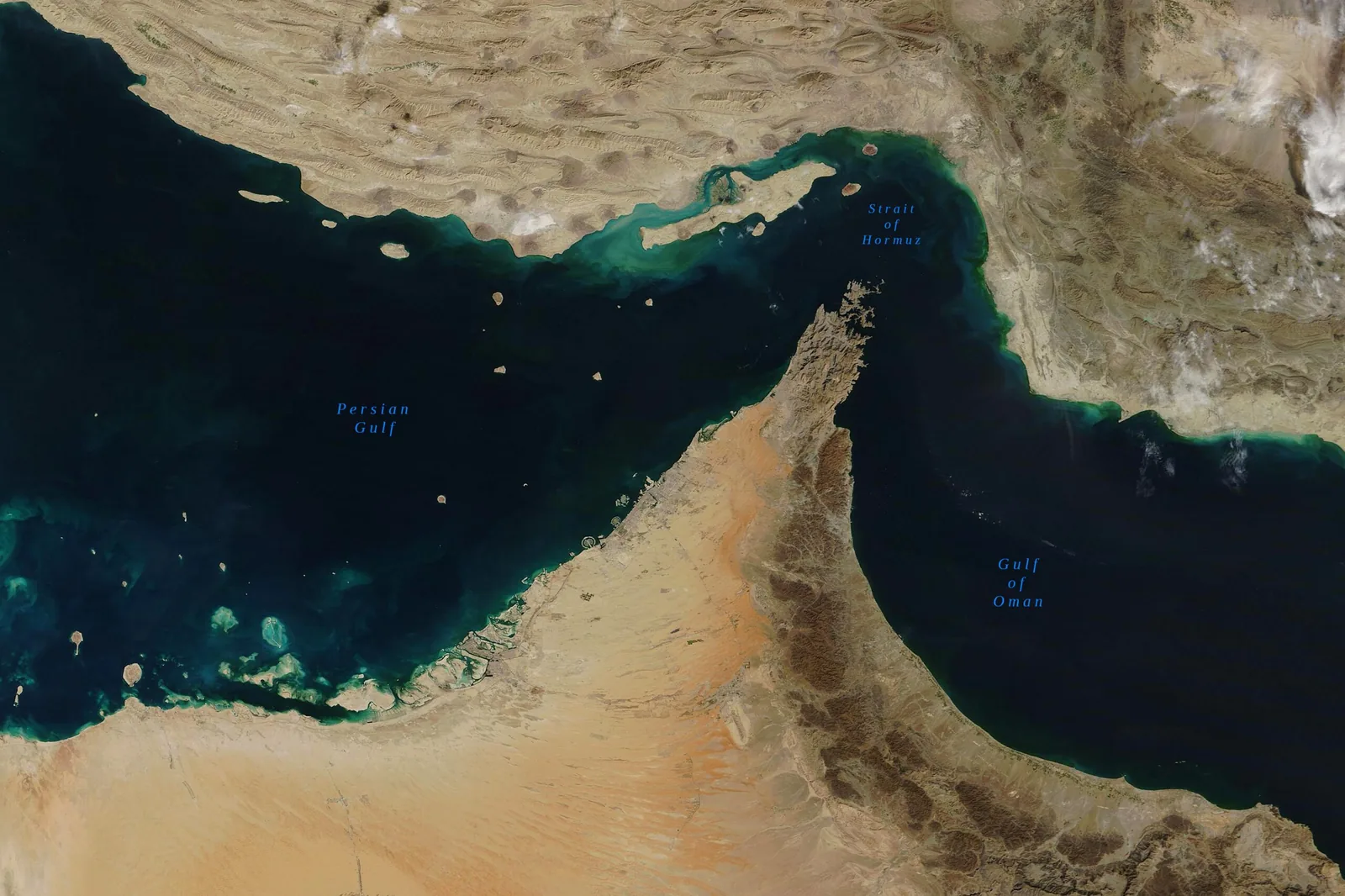
The Strait of Hormuz is a critical maritime chokepoint through which a significant portion of the world’s oil and goods transit. Recent years have seen disruptions due to heightened geopolitical tensions, particularly involving Iran and the United States. These tensions have led to fluctuations in shipping traffic, raising concerns about the stability of global supply chains.
Read more Elon Musk # tweets July 7 — July 14, 2026?
The current question centers on whether maritime traffic through the Strait will return to normal levels—defined as a 7-day moving average of at least 60 transit calls—by July 15, 2026. This threshold includes container ships, dry bulk carriers, roll-on/roll-off vessels, general cargo ships, and tankers, as tracked by IMF Portwatch. The resolution depends on verified data from this source, reflecting actual ship arrivals.
Key Factors
Over the past two weeks, official data from IMF Portwatch shows that the 7-day moving average of transit calls has remained consistently below the 60-ship threshold. The latest published figures indicate averages hovering around the mid-50s, reflecting a partial but incomplete recovery in traffic volume.
On the diplomatic front, there have been no major breakthroughs in U.S.-Iran relations that would suggest an imminent ceasefire or easing of sanctions. The Iranian government has maintained a firm stance on its regional policies, and no new agreements have been announced that would facilitate safer or increased shipping through the Strait.
Additionally, regional security incidents, such as occasional naval confrontations and threats to commercial vessels, continue to cast a shadow over maritime operations. While insurance costs for shipping have slightly decreased, they remain elevated compared to pre-2023 levels, indicating persistent risk perceptions among operators.
What remains uncertain is whether any behind-the-scenes negotiations or unreported security improvements might accelerate normalization. However, no public evidence has emerged to support such developments in the last two weeks.
Read more Bitcoin above $62,000 on July 12?
Market Signals
Market data shows an extremely low probability—under 1%—that traffic will return to normal by the mid-July deadline. Trading volumes are moderate, but prices have steadily declined over the past week, reflecting skepticism about a quick recovery. The narrow bid-ask spread suggests consensus rather than volatility in expectations.
Our Verdict
Given the sustained below-threshold transit averages and the absence of diplomatic progress, it is highly unlikely that Strait of Hormuz traffic will return to normal levels by July 15, 2026. The data from IMF Portwatch clearly shows no upward trend sufficient to meet the 60-ship moving average requirement.
Moreover, ongoing geopolitical tensions and security concerns continue to suppress shipping activity. Without a significant diplomatic breakthrough or a marked improvement in regional security, the current traffic levels are expected to persist.
Key triggers that could change this outlook include a formal ceasefire agreement between Iran and the U.S., a substantial reduction in regional naval incidents, or official announcements easing sanctions or maritime restrictions. Any of these could boost shipping confidence and traffic volumes. Until such events occur, the evidence points firmly toward a “No” resolution.
Read more Drake ‘Iceman’ First Week Album Sales?
Источники: