





Background
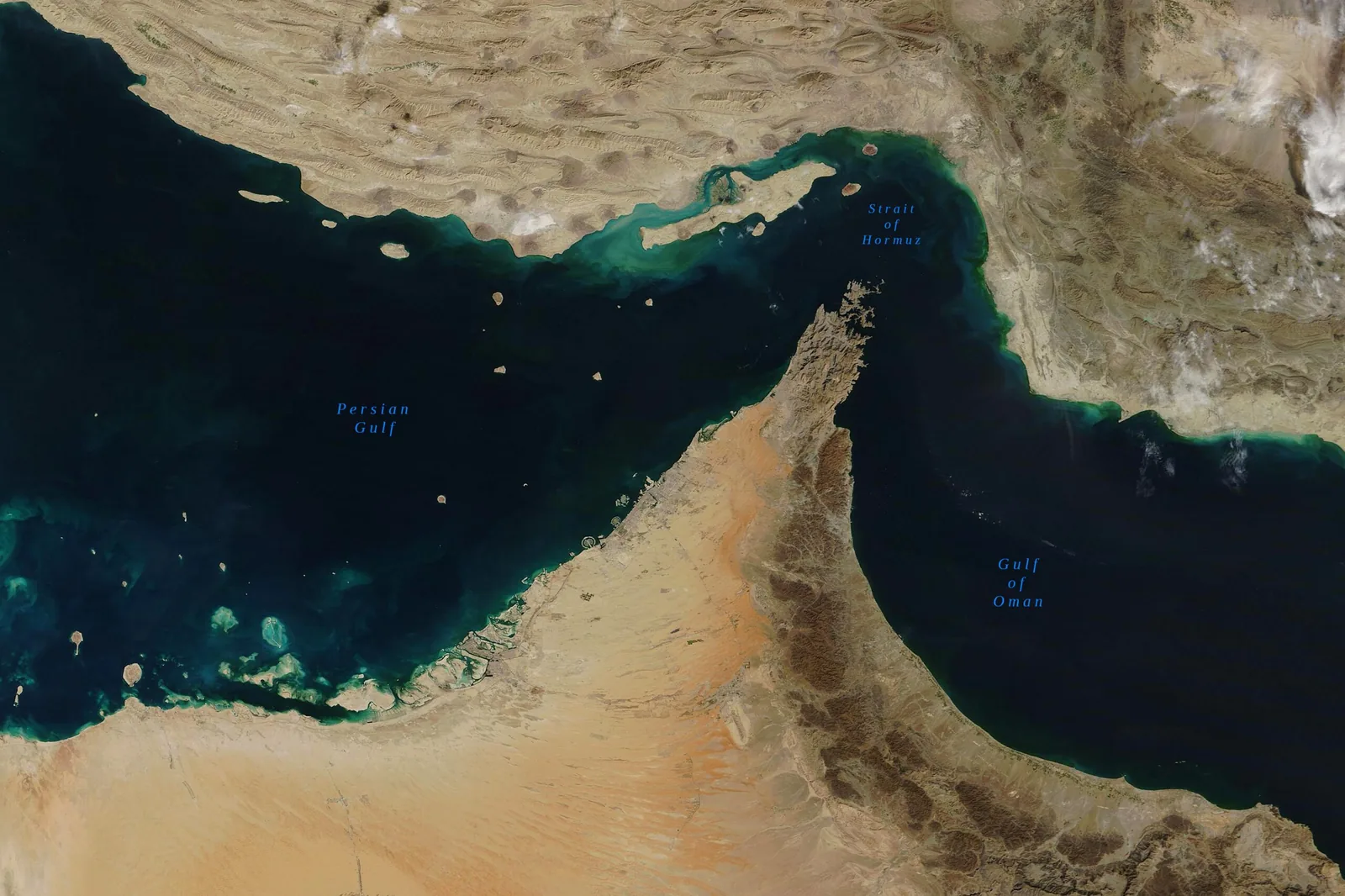
The Strait of Hormuz is a critical maritime chokepoint through which a significant portion of the world’s oil supply passes. Any disruption in traffic here can have wide-reaching effects on global energy markets and geopolitical stability. Recently, tensions between the United States and Iran have raised concerns about the security and flow of shipping through the strait, impacting transit volumes.
Read more What price will Bitcoin hit on May 26?
The question at hand is whether the daily transit calls through the Strait of Hormuz will return to a normal level—defined as a 7-day moving average of 60 or more ship arrivals—by June 15, 2026. This threshold includes container ships, dry bulk, roll-on/roll-off, general cargo, and tankers, as reported by IMF Portwatch. The resolution depends on whether this level is reached at any point before the deadline.
Given the strategic importance of the strait and the ongoing geopolitical tensions, monitoring shipping traffic provides a tangible indicator of regional stability and economic activity.
Key Factors
Over the past two weeks, IMF Portwatch data shows that the 7-day moving average of transit calls has remained below the 60-ship threshold. The latest published figures indicate a steady but subdued flow, reflecting cautious shipping activity amid persistent uncertainties.
On the diplomatic front, no major breakthroughs have been reported in U.S.-Iran relations that would ease tensions or guarantee safe passage. The U.S. Department of State reiterated its commitment to freedom of navigation but stopped short of announcing new agreements or security guarantees. Meanwhile, Iran’s official statements continue to emphasize sovereignty and resistance to foreign interference, maintaining a firm stance.
Additionally, regional security incidents, such as occasional naval confrontations and reported threats to commercial vessels, have not abated. These incidents contribute to shipping companies’ reluctance to increase traffic volumes to pre-crisis levels. On the economic side, global oil demand forecasts have softened slightly, which may reduce the urgency for higher transit volumes through the strait.
Read more «Backrooms» Opening Weekend Box Office
What remains uncertain is whether any behind-the-scenes negotiations or security arrangements might emerge in the coming weeks to encourage a rebound in traffic. Also, seasonal factors and alternative routing options could influence shipping patterns unpredictably.
Market Signals
Current market indicators assign roughly an 18% probability to traffic returning to normal levels by mid-June, with a strong majority leaning toward continued below-threshold transit calls. Trading volumes have been moderate, and recent price movements show a slight decline in optimism over the past hour. While these signals reflect cautious sentiment, they serve only as a secondary guide alongside concrete data and geopolitical developments.
Our Verdict
Based on the latest verified data and geopolitical context, it appears unlikely that Strait of Hormuz traffic will return to normal levels by June 15, 2026. The sustained below-threshold transit calls, combined with ongoing regional tensions and lack of diplomatic progress, suggest that shipping activity will remain constrained.
The confidence in this assessment is medium. While current trends point toward continued disruption, the situation remains fluid. Key triggers that could alter this outlook include a formal security agreement between the U.S. and Iran ensuring safe passage, a significant de-escalation of regional naval incidents, or a sudden surge in global oil demand prompting increased shipments.
In the absence of such developments, the status quo is likely to persist, keeping transit calls below the 60-ship moving average threshold.
Read more Ethereum price on May 26?
Источники: