






Background
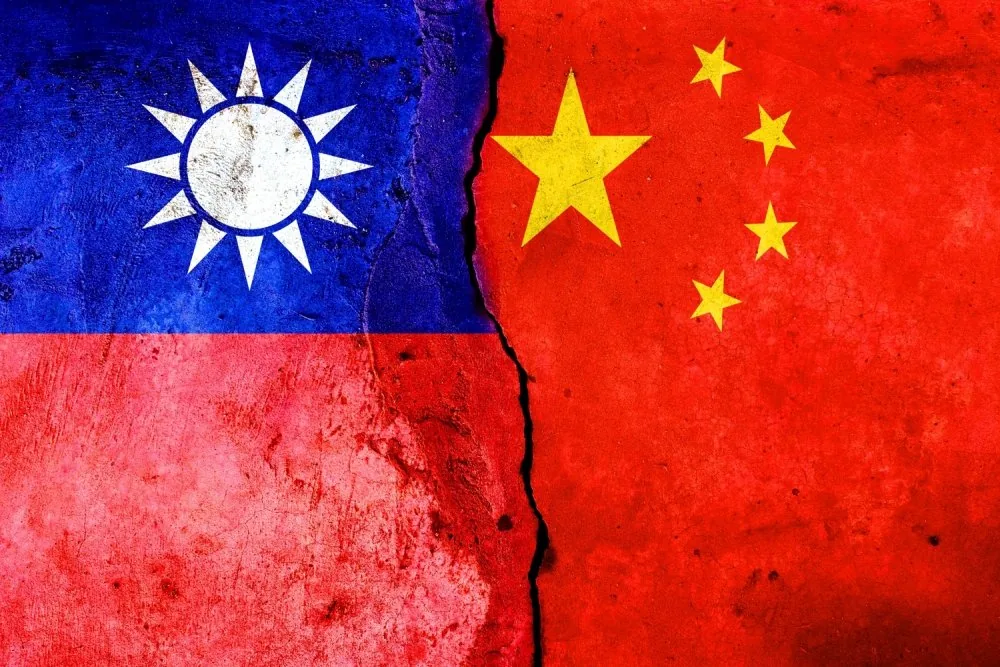
The question of whether China will launch a military offensive against Taiwan by September 30, 2026, remains a critical geopolitical issue. Taiwan, officially the Republic of China, operates as a self-governing entity, but Beijing claims it as a breakaway province. The situation is tense due to China’s long-standing goal of reunification, which it has not ruled out achieving by force. The deadline for this assessment is set for the end of September 2026, with the condition that any military action must be intended to establish control over inhabited Taiwanese territory to count as an invasion.
Read more Emmys 2026: Outstanding guest actor in a drama series
Resolution of this question depends on official confirmation from China, Taiwan, the United Nations, or any permanent member of the UN Security Council. Alternatively, a consensus of credible reporting can also serve as evidence. This framework ensures that only clear, verifiable military offensives will qualify, excluding minor skirmishes or uninhabited island incursions.
Key Factors
Recent weeks have seen several developments that shed light on the likelihood of an invasion. First, China’s military exercises near Taiwan have continued but remain within the scope of routine drills rather than full-scale mobilization. For example, in early March 2026, the Chinese Ministry of National Defense announced joint naval and air drills in the Taiwan Strait, emphasizing defensive readiness rather than offensive operations. This was confirmed by Taiwan’s Ministry of National Defense, which reported no unusual troop movements or preparations for invasion.
Second, diplomatic signals have been mixed but generally cautious. The Chinese government reiterated its commitment to peaceful reunification during a National People’s Congress session in mid-March, while simultaneously warning against foreign interference. Meanwhile, Taiwan’s leadership has sought to strengthen international partnerships, notably with the United States and Japan, to deter aggression. The U.S. Department of Defense recently confirmed ongoing arms sales and military cooperation with Taiwan, signaling continued support without escalating tensions to a breaking point.
Third, economic and political factors weigh heavily. China faces internal challenges, including slowing economic growth and domestic unrest, which may limit appetite for risky military ventures. Additionally, the global geopolitical environment remains complex, with China balancing its ambitions against potential international backlash, including sanctions or military responses from the U.S. and its allies. What remains uncertain is how these pressures will evolve over the next three years, especially if Taiwan pursues formal independence or if regional crises escalate unexpectedly.
Read more Bitcoin above $58,000 on August 6?
Market Signals
Current market indicators assign a low probability—around 1.3%—to the event of a Chinese invasion by the deadline. Trading volumes and price movements have been stable or slightly declining over the past week, reflecting a consensus that such an invasion is unlikely in the near term. While these figures provide a useful snapshot of collective expectations, they serve only as a secondary reference point alongside concrete geopolitical developments.
Our Verdict
Given the available evidence, the most reasonable conclusion is that China will not invade Taiwan by September 30, 2026. The absence of significant military mobilization, combined with China’s public commitment to peaceful reunification and the deterrent effect of international support for Taiwan, all point away from an imminent offensive. Internal economic and political constraints further reduce the likelihood of Beijing risking a costly conflict in the near future.
Confidence in this assessment is high, based on verified military activity reports and official diplomatic statements from both sides. However, the situation remains fluid. Key triggers that could alter this outlook include a sudden escalation in Taiwan’s moves toward formal independence, a major shift in U.S.-China relations such as the withdrawal of American military support, or unexpected internal developments within China that might push the leadership toward aggressive nationalism.
In summary, while the risk of invasion cannot be dismissed entirely, current facts and trends strongly suggest that China will hold off on military action against Taiwan through the specified deadline.
Read more Clacton by-election Winner
Источники: