





Background
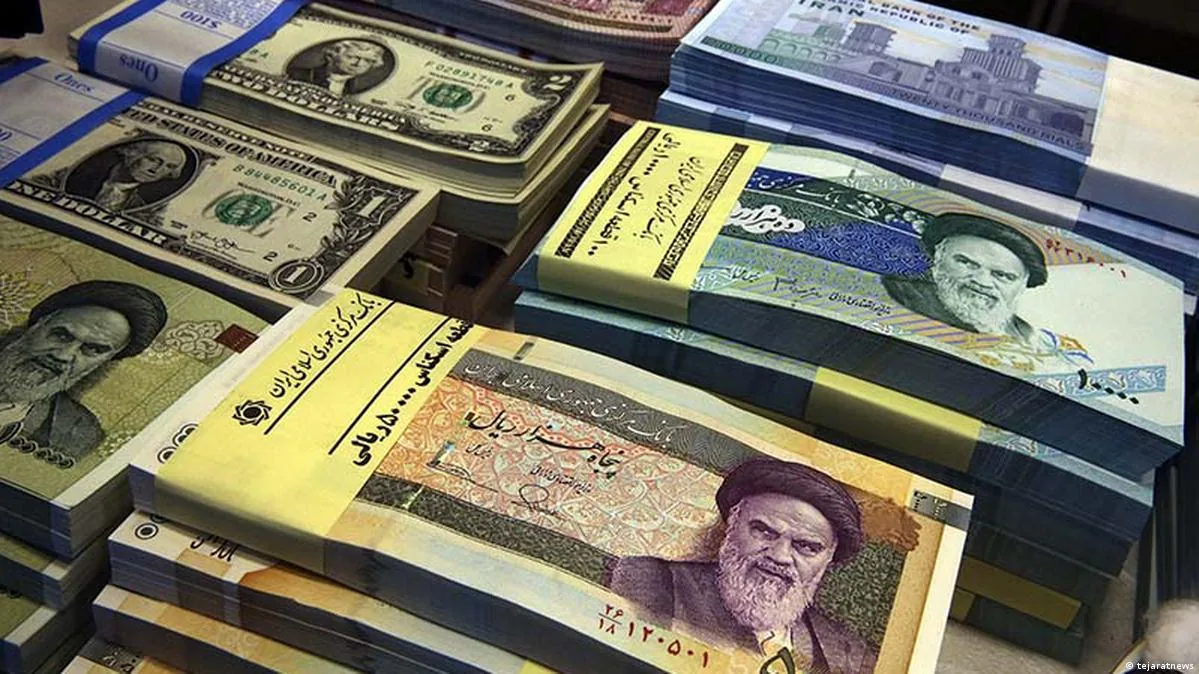
The exchange rate between the US dollar and Iranian rials remains a critical barometer of Iran’s economic health and geopolitical standing. The Iranian rial has experienced significant volatility over recent years, driven by international sanctions, domestic inflation, and fluctuating oil revenues. The question of where the USD/IRR rate will stand at the end of August 2026 is particularly relevant now, as Iran navigates ongoing economic pressures and potential shifts in US-Iran relations.
Read more «Super Troopers 3» Rotten Tomatoes Score?
The resolution of this question depends on the official free-market exchange rate published by Bonbast, a widely referenced source for Iranian currency rates. Bonbast reports prices in Iranian toman, where one toman equals ten rials, and the market will resolve based on the finalized rate for August 31, 2026. This rate reflects the free-market dynamics rather than official government rates, which often diverge significantly.
Given the complexity of Iran’s economy and the opacity surrounding currency controls, the exchange rate on this date will encapsulate a range of factors, including inflation trends, foreign currency inflows, and political developments. The key players influencing this rate include the Central Bank of Iran, international oil markets, and geopolitical actors affecting sanctions and trade.
Candidate Analysis
Looking at recent developments, the most plausible scenario is that the USD will trade between 1.9 million and 2.0 million Iranian rials by the end of August 2026. This range aligns with the current trajectory of the rial’s depreciation and recent market signals. Over the past two weeks, Iran’s inflation rate has remained elevated but stable, with the Central Bank maintaining tight currency controls while allowing some flexibility in the free market. Additionally, oil export revenues have seen modest improvement due to partial easing of sanctions and increased demand, supporting a somewhat stabilized but still weak rial.
For example, reports from early August indicate that Iran’s non-oil exports have increased slightly, providing some foreign currency inflows that help temper rial depreciation. Meanwhile, the government’s efforts to curb inflation through monetary tightening have prevented a sharp collapse in the rial’s value. These factors suggest a continuation of the current exchange rate band rather than a dramatic shift.
In contrast, the possibility of the USD trading below 1.7 million rials seems less supported by recent data. Inflation pressures and limited foreign reserves make a significant rial appreciation unlikely. Similarly, the chance of the USD rising above 2.1 million rials appears remote given the partial sanctions relief and ongoing government interventions. The ranges between 1.7M–1.8M and 1.8M–1.9M rials are plausible but less consistent with the current economic signals and recent trade data.
Read more Bitcoin Up or Down — August 6, 11AM ET
That said, uncertainty remains around potential geopolitical developments, such as renewed sanctions or unexpected shifts in oil markets, which could push the exchange rate outside the expected range. Domestic political decisions and Central Bank policies will also play a crucial role in the coming months.
Market Signals
Market indicators show the highest confidence in the USD trading between 1.9M and 2.0M rials, with a probability around 28.5% and the largest trading volume among all brackets. The next most supported ranges are 1.8M–1.9M and 1.7M–1.8M rials, with probabilities of 25.5% and 18.5%, respectively. Price movements over the past day and week suggest some short-term volatility but no clear trend toward extreme depreciation or appreciation. These signals complement the fundamental analysis but do not override the underlying economic and political factors.
Our Verdict
The most likely outcome is that the USD will settle between 1.9 million and 2.0 million Iranian rials by August 31, 2026. This conclusion rests on recent inflation data, modest improvements in foreign currency inflows, and the Central Bank’s cautious approach to currency management. The rial’s trajectory has been relatively stable within this band, and no major shocks have emerged to suggest a significant break from this range.
Confidence in this scenario is medium. While current data supports it, the Iranian economy remains vulnerable to external shocks and internal policy shifts. For instance, a sudden tightening of US sanctions or a sharp drop in oil prices could push the rial lower. Conversely, a breakthrough in diplomatic relations or a surge in exports might strengthen the rial beyond expectations.
Key triggers to watch include official announcements on sanctions or trade agreements, Central Bank policy changes, and fluctuations in global oil markets. Any of these could materially alter the exchange rate outlook. Monitoring these developments will be essential to reassessing the situation as August approaches.
Read more Another GTA VI trailer released by…?
Sources: